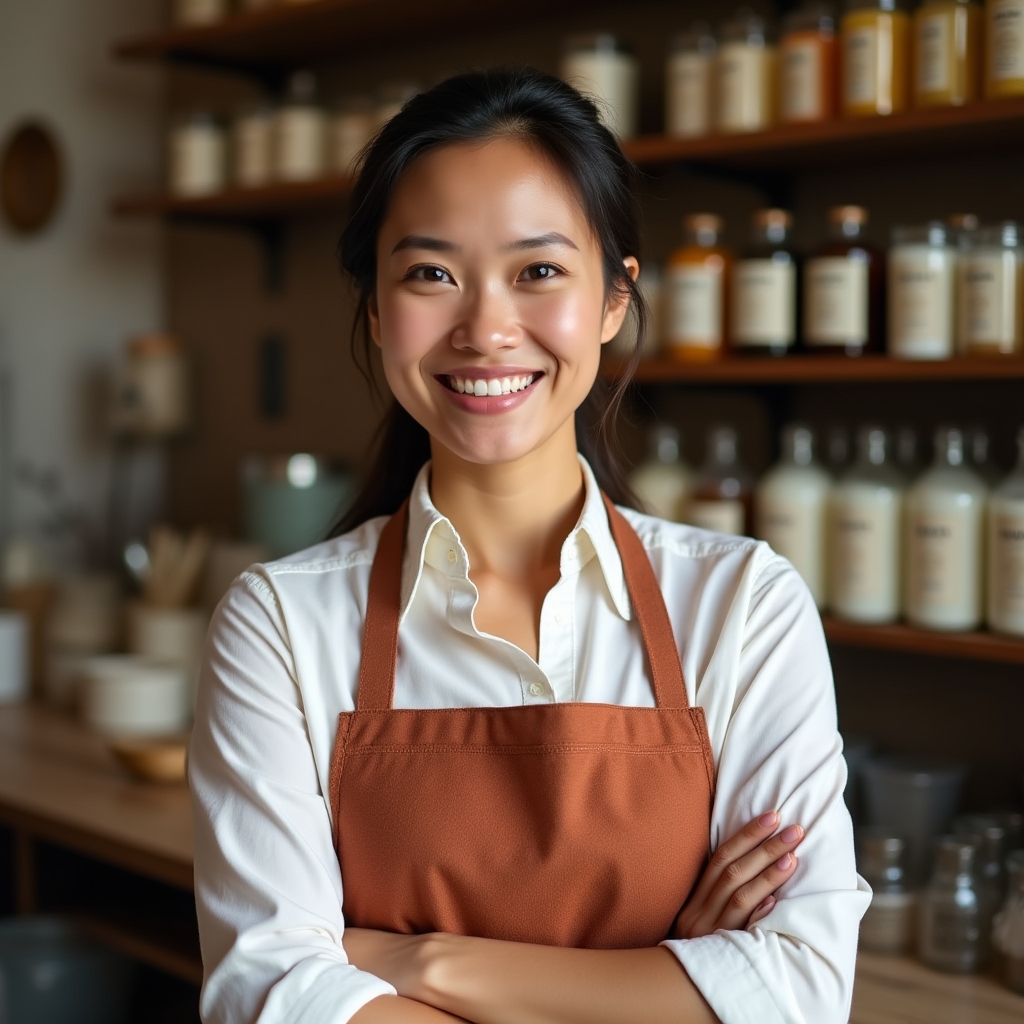
Maricel Santos
Maricel has been making candles for over a decade, starting with paraffin and eventually moving to soy wax after extensive testing of both materials. She developed the workshop curriculum after realizing that most candle-making guides — online and in print — skip the variables that actually determine whether a candle burns well.
Her teaching approach is direct. She explains the reason behind each step rather than just the instruction. When something goes wrong during a pour — and sometimes it does — she treats it as the most useful teaching moment of the session.
Maricel also runs small-batch candle production for local bazaars, which means everything she teaches about packaging and labeling comes from actual selling experience rather than theoretical advice.
Areas of Focus
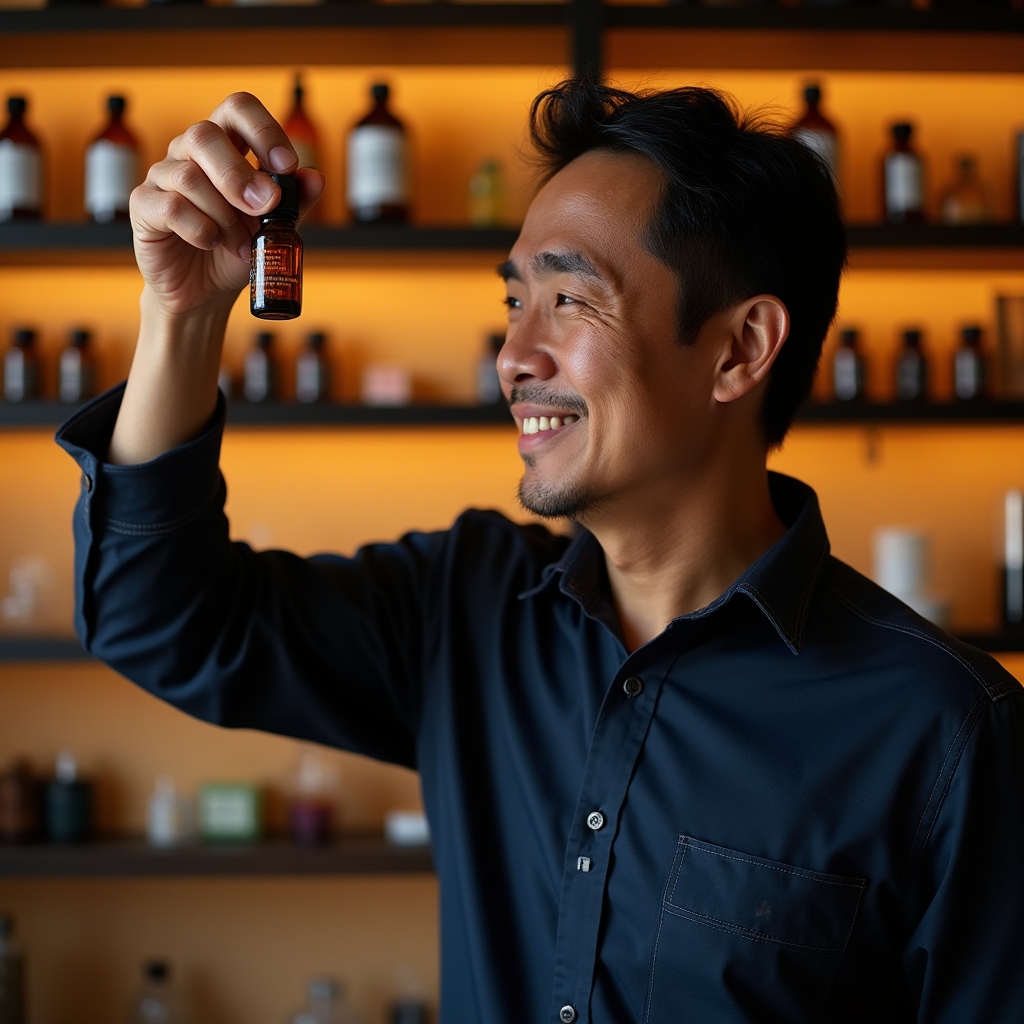
Ramon Dela Cruz
Ramon's background is in food science, which gave him an unusually precise understanding of how aromatic compounds behave at different temperatures. He applied that knowledge to fragrance oil blending and has been doing it seriously for several years.
In the workshop, Ramon leads the fragrance blending portion of the session. He has a way of explaining scent layering that makes it accessible — using comparisons to cooking and flavor combination that most participants find immediately intuitive.
He's also the person who selects the fragrance oil inventory for each session, rotating options to keep the selection current and varied across different scent families.
Areas of Focus
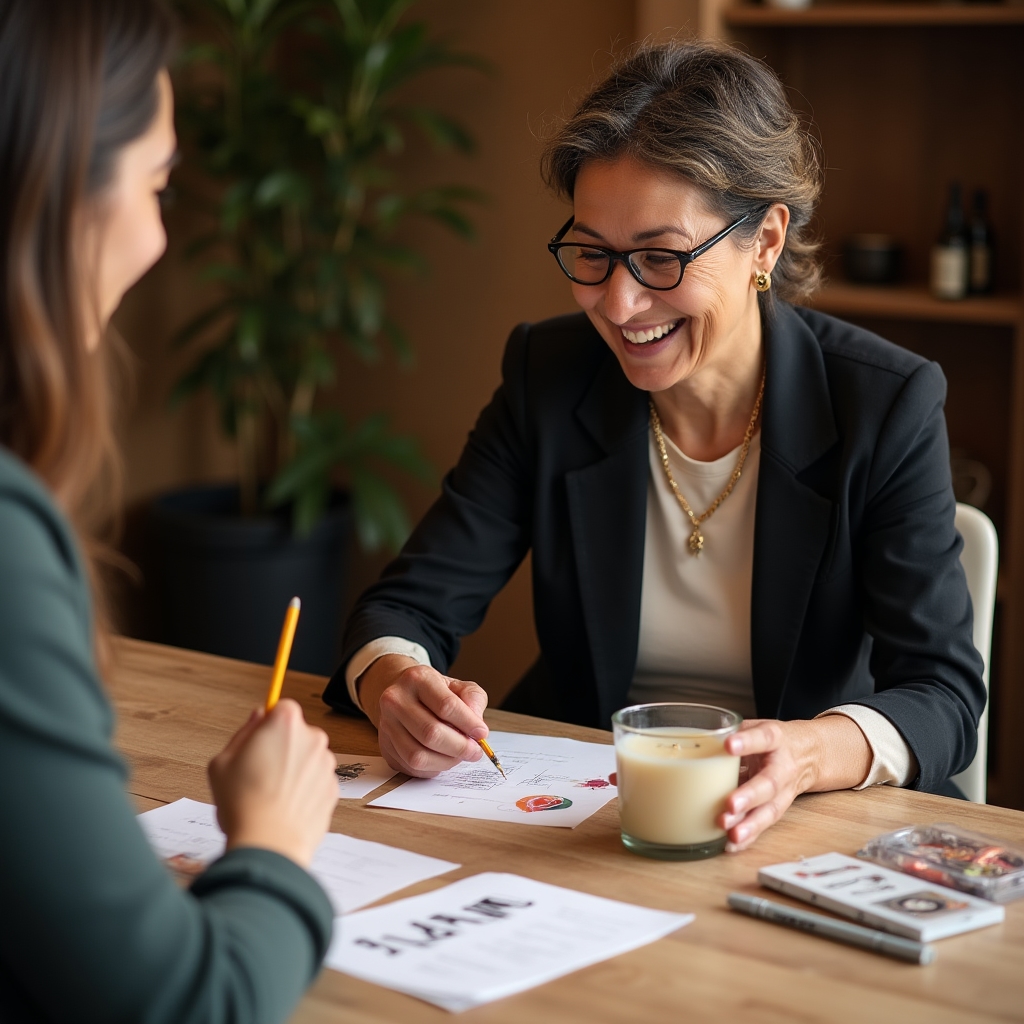
Lorna Aquino
Lorna spent many years working in print and packaging before shifting toward craft instruction. She handles the label design portion of the workshop, bringing a practical visual communication background to a part of the process that most craft courses treat as an afterthought.
What she teaches isn't design theory. It's the specific decisions that make a small-batch product label look intentional: hierarchy, contrast, what information matters and what clutters. She works with each participant individually during the label portion of the session.
Lorna also advises on packaging materials and presentation for participants who are thinking about selling at bazaars or markets.